2026-08 — Based on official retailer listings and published test reports
What to check — 5 points
1Is actual berberine HCl content stated — not "Coptis extract 00 mg"?
2Is it standardised to ≥97% berberine HCl with lot-level test reports?
3Is it made in a cGMP / NSF-certified facility?
4Bioavailability is low — is an absorption technology such as phytosome used?
5Are you pregnant, breastfeeding, or on glucose-lowering medication? Consult a professional first.
Berberine is an alkaloid extracted from Coptis and related plants; studies in type 2 diabetes repeatedly report improvements in fasting glucose, HbA1c and lipid markers (notably Yin et al., Metabolism, 2008, at 1,500 mg/day divided). The mechanism is attributed to AMPK activation and gut-microbiome modulation. Social media calls it "nature's Ozempic", but clinical commentary such as UCLA Health concludes weight loss is far more modest than with GLP-1 drugs. What matters when choosing: actual berberine HCl content rather than "Coptis extract 00 mg", ≥97% standardisation, and an absorption design such as phytosome. Contraindicated in pregnancy and breastfeeding; consult a professional if taking glucose-lowering medication.
01Effects & latest research
What does Berberine do, and what does recent research say?
What is established
An alkaloid from Coptis and related plants. Studies in type 2 diabetes repeatedly report improvements in fasting glucose, HbA1c and lipid markers (notably Yin et al., Metabolism, 2008 — 1,500 mg/day divided, with improvements comparable to standard glucose-lowering agents). The mechanism is attributed to AMPK activation and gut-microbiome modulation.
What is new
"Nature's Ozempic" — alongside the GLP-1 weight-loss boom, berberine has been discussed intensively on social platforms as a natural alternative (2023 onward). Glycemic management is also named a growth axis alongside slow-ageing in 2026 supplement-trend reporting.
Limits — we stop here
Clinical commentary such as UCLA Health concludes that weight loss is far more modest than with GLP-1 drugs, while the evidence for glycemic and metabolic markers is real. KNI takes the position of correcting the hype: berberine is not Ozempic and does not replace medication. It is contraindicated in pregnancy and breastfeeding, and requires professional advice alongside glucose-lowering or other medication — the strictest caution of the four ingredients here.
Himalayan Coptis sourcing (used by Toniiq and others)
—Standardised to ≥97% berberine HCl
—Lot-level test results published — standardisation plus disclosure is the baseline for raw-material grade
05Graded product matching
Which Berberine products earn which grade?
Conflict-of-interest disclosure: KNI and EGA share ownership and management. EGA products are included in our NMN comparisons. We apply the same published criteria to all products; please review the evidence behind EGA's score.
97% standardised with lot-level testing in an NSF-certified facility; 500 mg capsules make 1,000–1,500 mg/day easy to reach (~$0.33 per 500 mg)
Cost per active unit
Not calculable
Daily cost · Women 1g
—
Daily cost · Men 1g
—
Days of supply · Women / Men
—
Axis scores
Effective dose
30/30
Purity & impurity testing
23/25
Manufacturing & safety certification
18/20
Raw-material grade
8/15
Information transparency
9/10
Retailer link pending
A
73/100
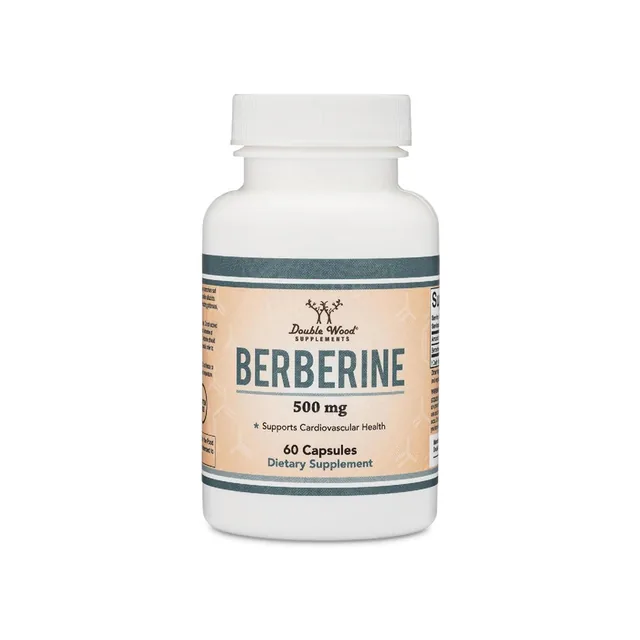
Double Wood Berberine
Third-party testing and GMP, but weak standardisation labelling (~$0.33 per 500 mg)
Cost per active unit
Not calculable
Daily cost · Women 1g
—
Daily cost · Men 1g
—
Days of supply · Women / Men
—
Axis scores
Effective dose
28/30
Purity & impurity testing
18/25
Manufacturing & safety certification
14/20
Raw-material grade
5/15
Information transparency
8/10
Retailer link pending
B
56/100
BulkSupplements Berberine Powder
Ultra-low-cost powder with limited standardisation and lot-testing disclosure (~$0.09–0.20 per 500 mg)
Cost per active unit
Not calculable
Daily cost · Women 1g
—
Daily cost · Men 1g
—
Days of supply · Women / Men
—
Axis scores
Effective dose
26/30
Purity & impurity testing
12/25
Manufacturing & safety certification
10/20
Raw-material grade
0/15
Information transparency
8/10
Retailer link pending
C
11/100
"Contains Coptis extract" diet blends
Actual berberine content undisclosed — cost not calculable
Cost per active unit
Not calculable
Daily cost · Women 1g
—
Daily cost · Men 1g
—
Days of supply · Women / Men
—
Axis scores
Effective dose
5/30
Purity & impurity testing
0/25
Manufacturing & safety certification
4/20
Raw-material grade
0/15
Information transparency
2/10
See axis-level scores (5 axes, 100 points)
Product
① Effective dose/30
② Purity & impurity testing/25
③ Manufacturing & safety certification/20
④ Raw-material grade/15
⑤ Information transparency/10
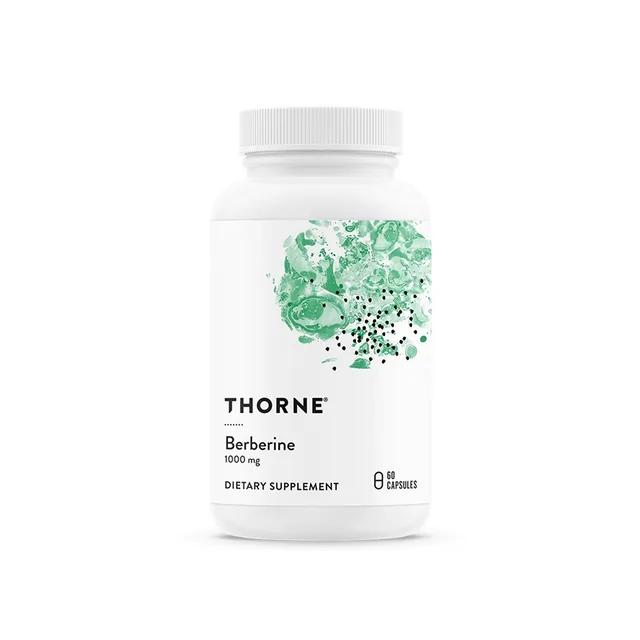
Thorne Berberine (Berbevis®)
28
22
19
15
9
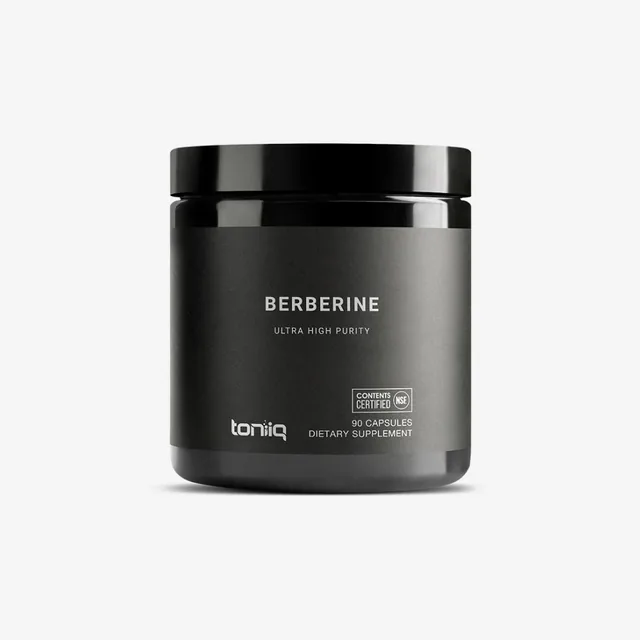
Toniiq Berberine 97%
30
23
18
8
9
Double Wood Berberine
28
18
14
5
8
BulkSupplements Berberine Powder
26
12
10
0
8
"Contains Coptis extract" diet blends
5
0
4
0
2
Thorne Berberine (Berbevis®)
① Effective dose
28/30
② Purity & impurity testing
22/25
③ Manufacturing & safety certification
19/20
④ Raw-material grade
15/15
⑤ Information transparency
9/10
Toniiq Berberine 97%
① Effective dose
30/30
② Purity & impurity testing
23/25
③ Manufacturing & safety certification
18/20
④ Raw-material grade
8/15
⑤ Information transparency
9/10
Double Wood Berberine
① Effective dose
28/30
② Purity & impurity testing
18/25
③ Manufacturing & safety certification
14/20
④ Raw-material grade
5/15
⑤ Information transparency
8/10
BulkSupplements Berberine Powder
① Effective dose
26/30
② Purity & impurity testing
12/25
③ Manufacturing & safety certification
10/20
④ Raw-material grade
0/15
⑤ Information transparency
8/10
"Contains Coptis extract" diet blends
① Effective dose
5/30
② Purity & impurity testing
0/25
③ Manufacturing & safety certification
4/20
④ Raw-material grade
0/15
⑤ Information transparency
2/10
How these are calculated
Cost per active unit = price ÷ total active content · Daily cost = cost per unit × daily dose · Days of supply = total active content ÷ daily dose
Unit costs are converted from the purchase option listed at the official retailer. Where the basis is not a single unit, that option is stated beneath the figure — costs on different bases are not directly comparable.
Days of supply is not how long an effect lasts — it is how many days one pack covers at the daily dose used here. Nor is it the number of sticks or tablets in a pack: when the daily dose exceeds one serving, a 30-stick pack lasts fewer than 30 days.
Daily dose used — Women 1g · Men 1g. 1,000 mg for both = a representative figure inside the 900–1,500 mg divided-dose range used in glycemic and metabolic studies. There is no evidence for a sex-based difference, so the same figure is used.
All named products in this table are made in the US and sold via cross-border purchase. Named listings are limited to overseas brands and to top-tier (S/A) domestic products whose evidence — ingredient brand, certifications and test reports — is publicly verifiable. All other domestic products appear as a category. Third-party product links earn no affiliate commission. KNI and EGA share ownership and management; purchases do not change the published scoring criteria. Based on official retailer listings and published test reports · Data as of 2026-08
So which one should you choose?
To summarise — actual berberine HCl content rather than Coptis extract, standardisation to 97%+ with lot testing, a cGMP/NSF facility, and absorption technology.
If you want to follow the study protocol as written —
SToniiq Berberine 97%
It publishes 97% standardisation and lot-level test results in 500 mg capsules, which reproduces the study protocol — 500 mg before meals — directly. It requires two to three doses a day.
If you want the low bioavailability engineered around —
SThorne Berberine (Berbevis®)
Berbevis® phytosome is a patented raw material with human absorption data — the direct answer to berberine's core weakness. Certification is the highest here, but it sits in a premium tier and its price is unconfirmed, so we could not calculate a per-serving cost.
Berberine is not "nature's Ozempic" and does not replace medication. Do not take it during pregnancy or breastfeeding, and consult a physician or pharmacist if you take any medication, including glucose-lowering drugs.
Conflict-of-interest disclosure: KNI and EGA share ownership and management. EGA products are included in our NMN comparisons. We apply the same published criteria to all products; please review the evidence behind EGA's score.
No. Clinical commentary such as UCLA Health concludes that weight loss is far more modest than with GLP-1 drugs, while the evidence for glycemic and metabolic markers is real. Studies in type 2 diabetes repeatedly report improved fasting glucose and HbA1c (Yin 2008 and others), but that does not mean it replaces medication.
The standard study protocol is 900–1,500 mg per day, divided as 500 mg before meals two to three times daily. Start at 500 mg if you have GI discomfort. What matters is the actual berberine HCl content — not "Coptis extract 500 mg".
It is contraindicated during pregnancy and breastfeeding. If you take medication — glucose-lowering drugs in particular — blood glucose could fall further, so consult a physician or pharmacist first. KNI applies its strictest caution labelling to berberine among the four ingredients.